Since 2010
We make software that decides how a plant runs
Systainable Solutions builds expert systems for process manufacturing. Our business model is simple: proprietary expert systems from the Systain range, supported where a plant needs it by targeted consultancy and technology transfer from industry experts.
What would that be worth in your plant?
Enter what you process in a year. The figures use our customers' actual averages.
Based on averages Systainable Solutions publishes across 1.3 million tonnes of fabric processed by its customers since 2010. Your own figures will differ with process, substrate and starting position, which is what a technical call establishes.
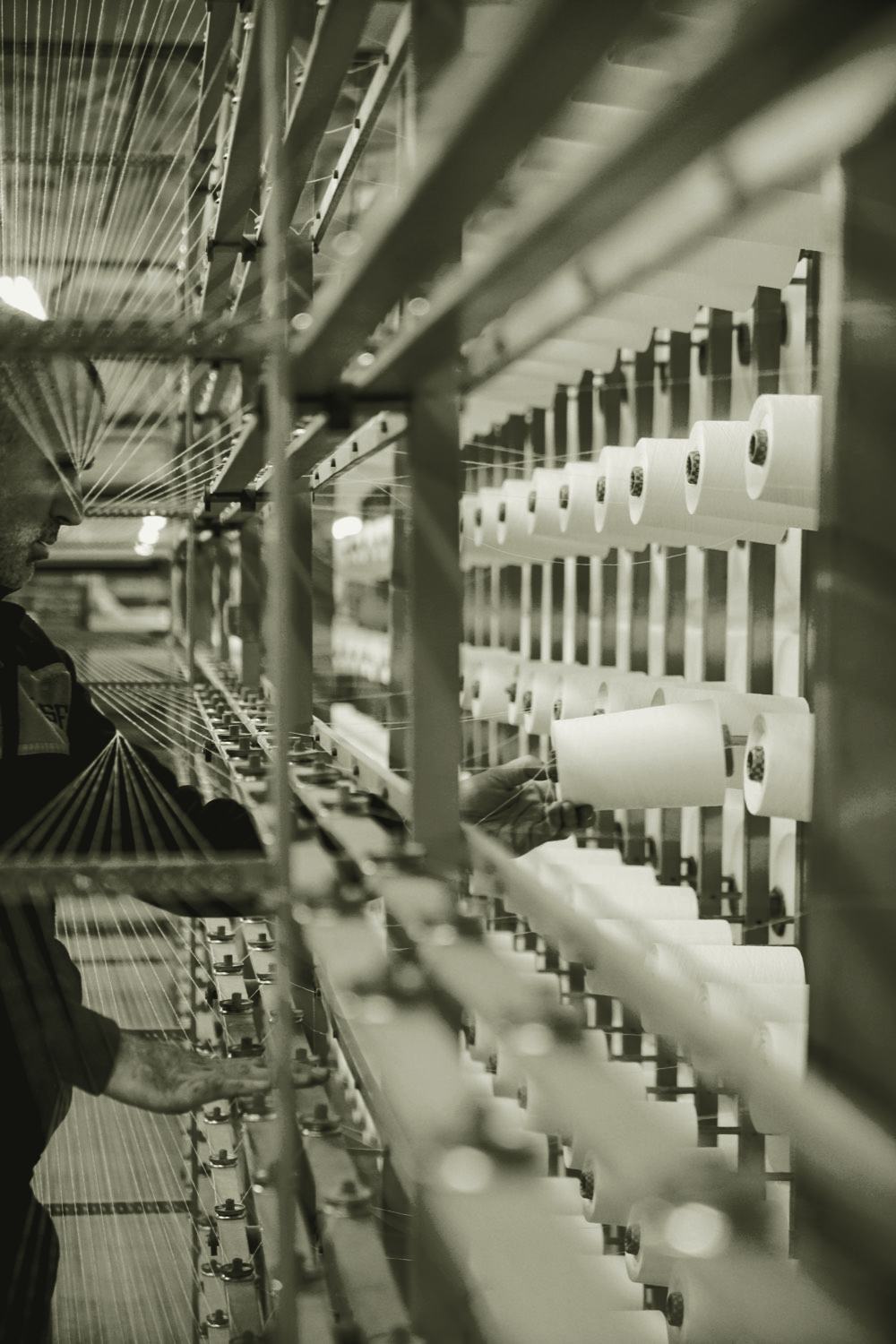
Representative of the sector rather than a specific customer facility.
What an expert system actually is
An ERP records what a business intends and what it billed. It does not decide what temperature the machine should run at, which recipe will hit the shade first time, or which of forty jobs should go on which line tonight. That gap is where most of the cost in a process plant lives, and it is the gap our systems fill.
An expert system carries a knowledge base of how the process behaves, extended with rules specific to your plant, and uses it to make those decisions consistently. Not a dashboard that shows you a problem after it happened. A system that makes the call before it does.
Why we work in these sectors
We began in textile dyeing and finishing, which is unusually punishing: water, steam and chemicals dominate the cost per kilogram, and a missed shade costs all three again. Anything that works there transfers well. The same systems now run in dairies, detergents, paints and varnishes, pharmaceuticals and construction materials, because they are all discontinuous batch processes with the same underlying problem.
Sustainability was the by-product, then the point
Customers bought efficiency. What they also got was 50 million cubic metres of water and 1.3 million tonnes of CO₂ that were never consumed in the first place. Those are the same event counted twice, which is why we do not treat the environmental case and the commercial case as separate arguments.
Support is the thing customers mention
Arvind Mills, India's largest textile company, went out of their way to say our service and customer support should be an example for vendors in the textile world. Klash in Pakistan set up an entire new dyehouse within a few months with our systems and support behind them. That is the part of the job that does not fit in a product datasheet.
Where we are
Systainable Solutions Ltd is registered in England and Wales, company number 7474026, with its registered office at Galla House, 695 High Road, North Finchley, London, N12 0BT. We have people in United Kingdom, Greece, India, and installed systems in more than 25 countries.
Technical call
Forty minutes with an engineer, not a salesperson
Tell us what you make and how the plant runs now. We will tell you which of the systems is relevant, what it would realistically save, and how long commissioning takes. If none of it fits, we will say so.
- No charge and no obligation
- An engineer who has commissioned these systems, not an account manager
- An honest savings range for your process, not a generic figure
- A realistic implementation timeline before you commit anything
Straight answers
Questions we get asked in the first call
What does Systainable Solutions actually do?
We build expert systems for process manufacturers. In plain terms, software that decides how to run your plant: what to make and when (T-APS), what recipe and machine settings to use (T-DH), and how to track orders, quality and cost across the whole operation (Systain Suite). Our customers are textile, food, chemicals and construction materials manufacturers in more than 25 countries.
How much water and energy could we actually save?
Across 1.3 million tonnes of fabric processed by our customers since 2010, the averages are 38 litres of water and 1 kilogram of CO₂ saved per kilogram of fabric, and 0.10 to 0.20 US dollars of cost taken out per kilogram. Put your own annual tonnage into the calculator on this page to see what that means for your plant.
Is this only for textile manufacturers?
No. It started in textiles and that is where the longest track record is, but the same expert systems now run in dairies, detergents, paints and varnishes, pharmaceuticals and construction materials. Any discontinuous batch process is a candidate.
Do we have to replace our ERP?
No. Systain sits where your ERP does not reach, on the plant floor. The ERP holds the commercial picture, Systain decides and records what actually happens on the machines, and the two exchange data.
How long does an implementation take?
It depends on the product and the plant, but these are quick-win systems rather than multi-year programmes. Klash set up an entire new dyehouse within a few months with our systems and support. Book a technical call and we will give you an honest timeline for your operation rather than a generic one.
Who else in our sector uses this?
In textiles: Arvind Mills, Alok Industries, Maral Overseas, Siyaram Silk Mills, Yesim, Gamateks, Pisa Tekstil, DBL Group and Klash. In food and dairy: DELTA, MEVGAL, Hellenic Dairies and Vamvalis Foods. In chemicals: ROLCO-Vianil and a major Greek paints and varnishes producer.
Where are you based?
The company is registered in England and Wales, number 7474026, with its registered office in North Finchley, London. We have people in the United Kingdom, Greece and India, and installed systems in more than 25 countries.
What support do we get after go-live?
Support is the thing our customers raise most often unprompted. Arvind Mills went out of their way to say our service and customer support should be an example for vendors in the textile world. Implementation can also be backed by targeted consultancy and technology transfer from industry experts where a plant needs it.