systainableSolutions · Expert systems since 2010 Book a technical call

Expert systems for process manufacturing · Since 2010

Same plant, same people. 38 litres less water for every kilogram you process.

Systainable builds the software that decides how your plant runs: what to make and when, what recipe and machine settings to use, and what it actually cost. More than 200 systems commissioned across 25 countries in textiles, food, chemicals and construction materials.

No charge, no obligation, and you speak to an engineer who has commissioned these systems. Not a salesperson.

What would that be worth in your plant?

Enter what you process in a year. The figures use our customers' actual averages.

tonnes / year
190,000 m³
Fresh water saved each year
5,000 t
CO₂ avoided each year
$500k - $1m
Cost taken out each year
1,461,538
People's daily water use, equivalent
Get these figures checked against your plant →

Based on averages Systainable Solutions publishes across 1.3 million tonnes of fabric processed by its customers since 2010. Your own figures will differ with process, substrate and starting position, which is what a technical call establishes.

25+
Countries with installed systems
100+
Manufacturers running Systain
200+
Systems sold and commissioned
2010
Building expert systems since

Measured, not modelled

What our customers have actually saved since 2010

These are realised savings across 1.3 million tonnes of fabric processed, not projections from a business case.

50mm³
Fresh water saved
The daily fresh water needs of five billion people
1.3mtonnes
CO₂ avoided
The emissions of 3,300 flights from Beijing to London
350mkWh
Electricity saved
Plus four million tonnes of steam, equal to 500,000 tonnes of coal
$130m+
Saved by our customers
Between 130 and 260 million dollars across 1.3 million tonnes of fabric
38 litresof water saved for every kilogram of fabric processed
1 kilogramof CO₂ avoided for every kilogram of fabric processed
$0.10 to $0.20of cost taken out of every kilogram of fabric
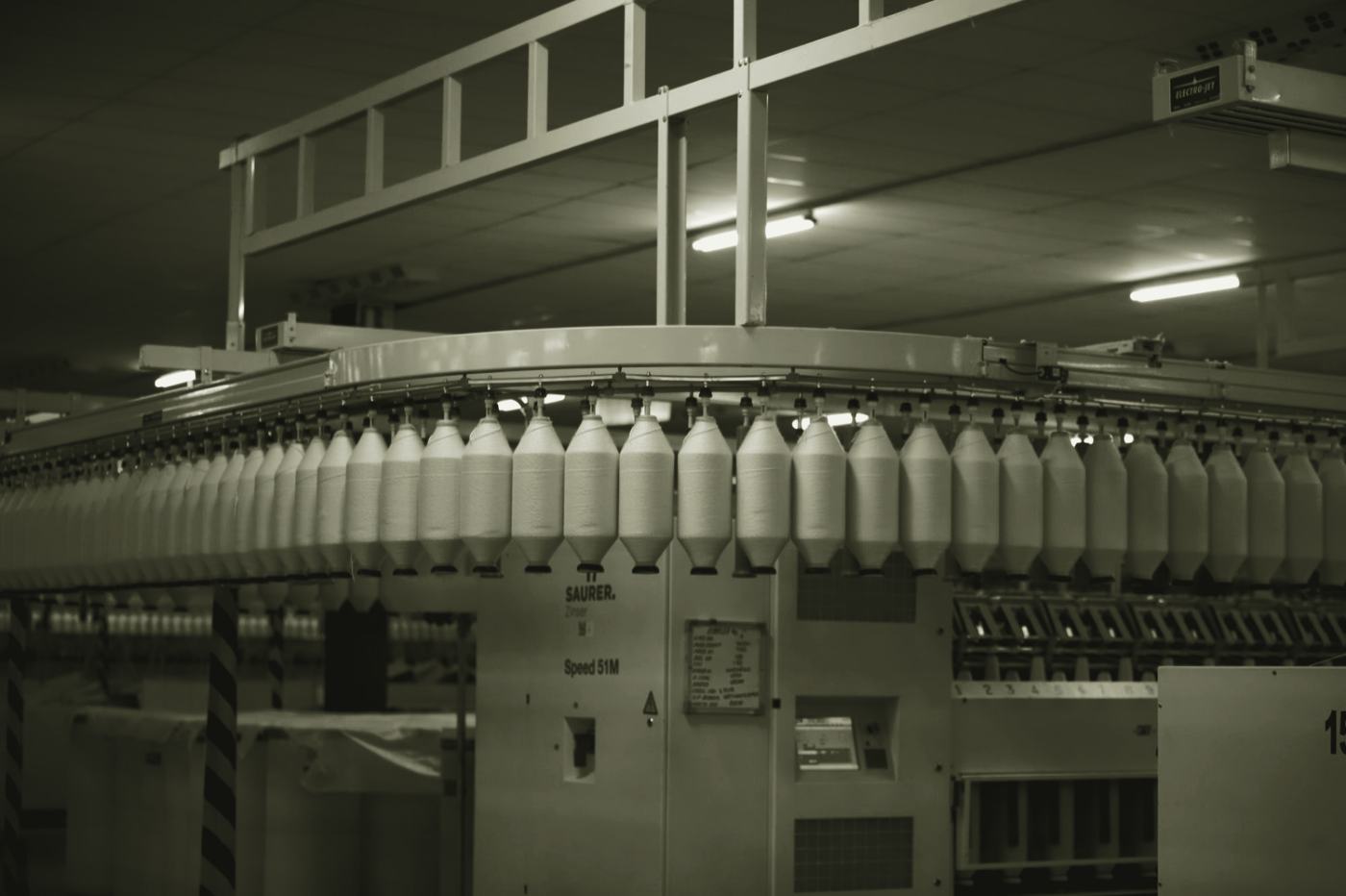
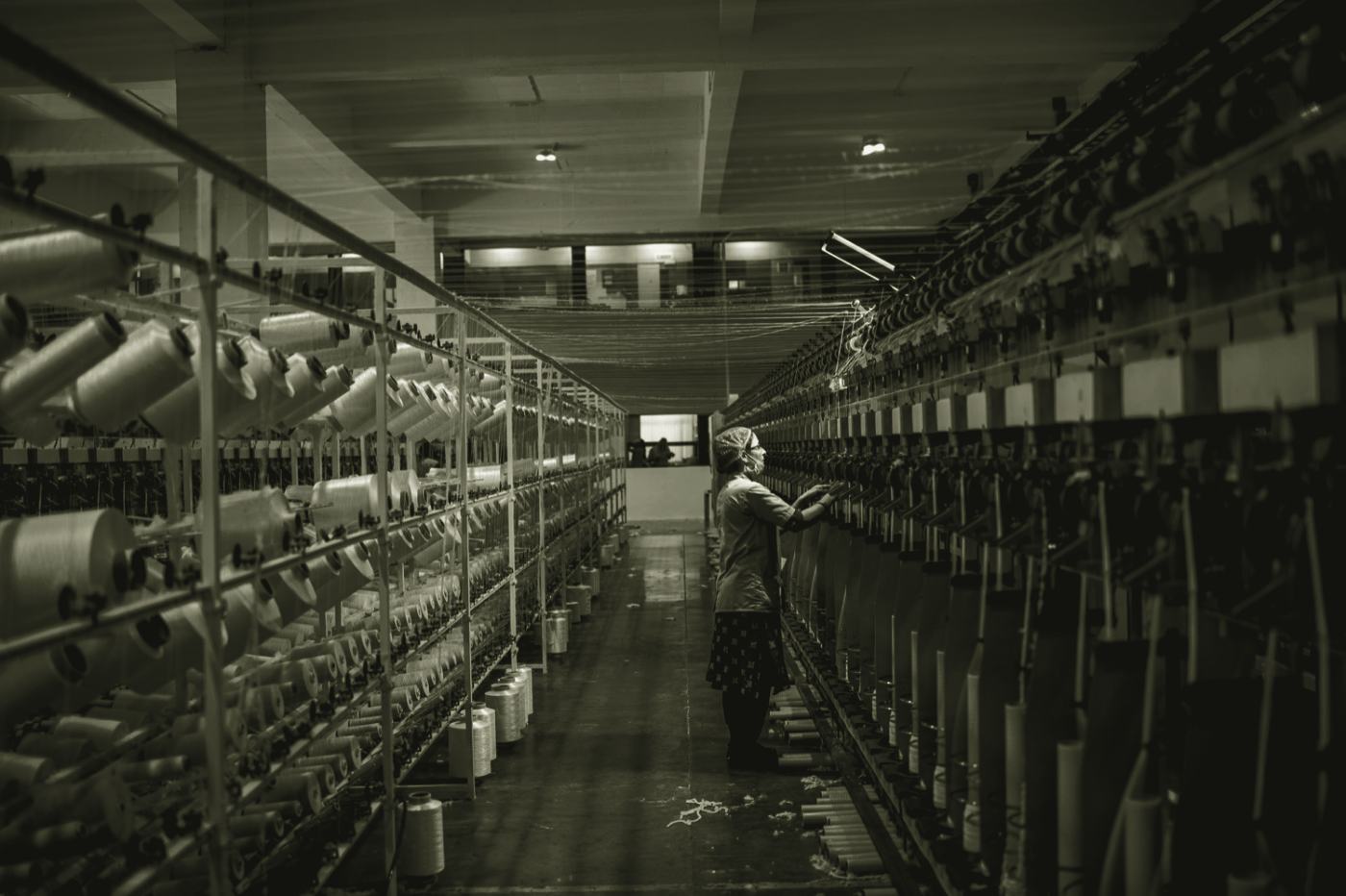
Yarn production line running in a textile mill, the kind of continuous operation Systain schedules A plant operator monitoring machinery on the factory floor

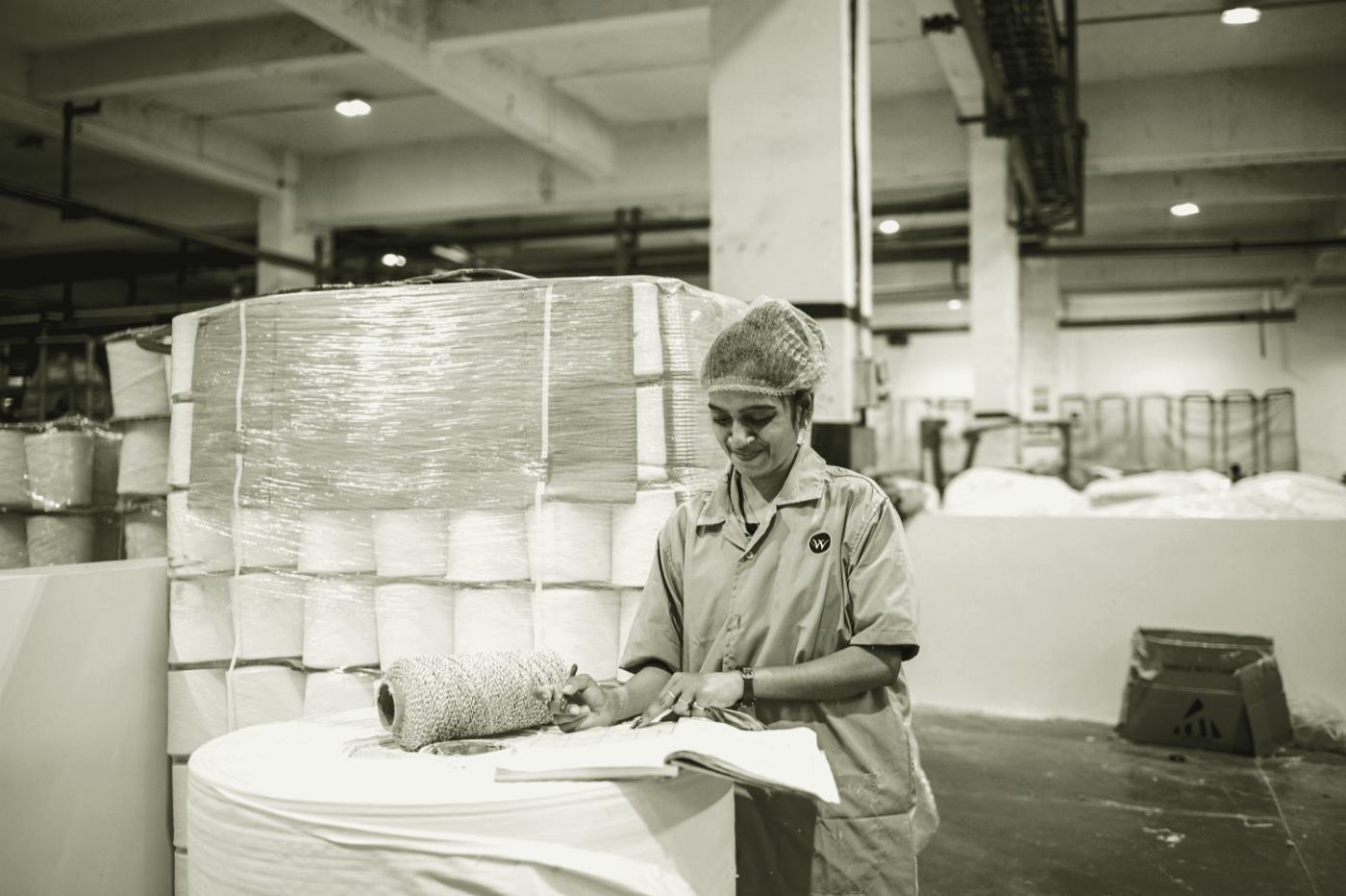
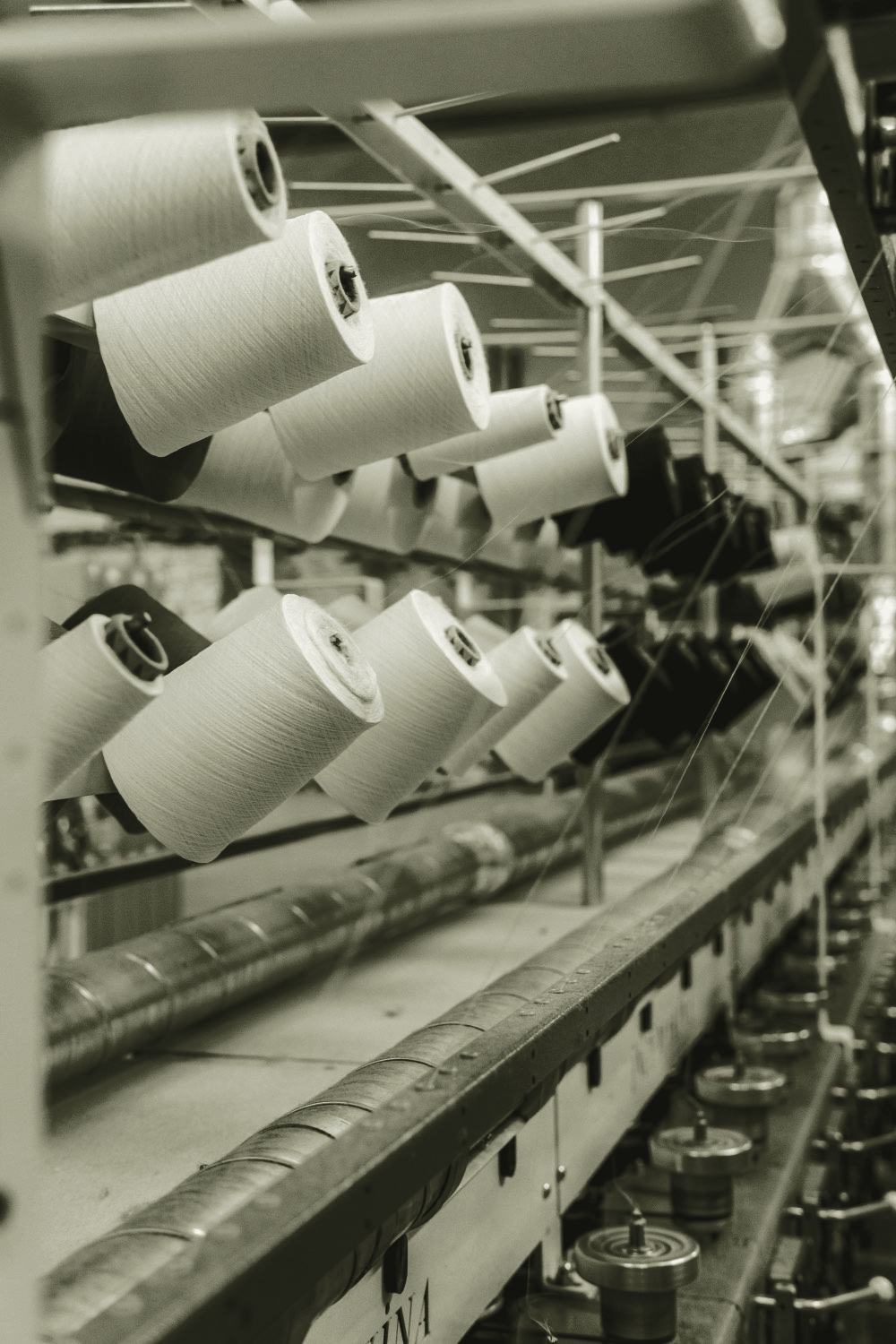
Process plants like these run the Systain range in more than 25 countries. Images are representative of the sector rather than of specific customer facilities.

How these numbers were arrived at

Who runs it

Four sectors, one problem

Every one of these is a batch process where the recipe, the schedule and the dosing decide the cost per unit. That is the problem our systems were built for.

Textile

Dyeing, finishing and printing, where water, steam and chemicals dominate the cost per kilogram.

Arvind Mills, Alok Industries, Maral Overseas, Siyaram Silk Mills, Yesim, Gamateks, Pisa Tekstil, DBL Group, Klash

Food and dairy

Batch and continuous production where changeovers, shelf life and on-time delivery all pull against each other.

DELTA, MEVGAL, Hellenic Dairies, Vamvalis Foods

Chemicals

Detergents, paints, varnishes and specialty chemicals, where recipe accuracy and scheduling drive yield and compliance.

ROLCO-Vianil, and a major Greek paints and varnishes producer

Construction materials

Process plants running batch operations against variable demand and long changeovers.

Production being recorded on the floor, the data an execution system replaces with a live record Yarn spools staged for the next run

In their words

What our customers say about the work

Named companies, named people, and the specific system each of them runs.

Arvind Mills

India’s largest textile company · arvind.com

Express full satisfaction with the expert systems implemented at the Ahmedabad factory, and single out our service and customer support as an example other vendors in the textile world should follow.

Systain T-DH

Gamateks

Turkish manufacturer, CEO Ozgur Aidinli · gamateks.com.tr

Describes a yearlong cooperation spanning expert-system implementation and textile technology transfer, which allowed Gamateks to become a flagship supplier to Marks & Spencer, Tesco and other major retailers.

Systain T-DH and technology transfer

Maral Overseas

Listed Indian vertical textile supplier, President Suresh Maheshwari · maraloverseas.com

Describes the success of the T-DH implementation, and explains the decision to go on and implement the finishing expert system T-FM as well.

Systain T-DH, then Systain T-FM

Alok Industries

Listed Indian vertical textile manufacturer, MD Dilip Jiwrajka · alokind.com

Expresses satisfaction with the performance achieved across several of the company’s factories through our expert systems and support.

Expert systems and support

Read all the references

Putting it in perspective

What 50 million cubic metres actually looks like

  • 5 billion people50 million m³ of water covers the daily fresh water needs of five billion people, using the World Health Organization's own per-person figure.
  • 3,300 flights1.3 million tonnes of CO₂ is the emissions of 3,300 flights from Beijing to London.
  • 25,000 truckloadsThe 500,000 tonnes of coal equivalent we saved in steam and electricity would fill 25,000 lorries.
  • 3 billion t-shirtsThe 1.3 million tonnes of fabric these savings were realised on is enough to make three billion t-shirts.

Free, 18 pages

The Process Efficiency Benchmark 2026

What manufacturers across 25 countries actually saved per kilogram produced, and the four things that separate the top quartile from everyone else.

  • Water, energy, CO₂ and cost saved per kilogram, benchmarked by sector
  • Where the savings actually come from: recipe, schedule, dispensing or maintenance
  • What a realistic first-year figure looks like, and how long commissioning takes
  • The questions worth asking any expert-system vendor before you sign

PDF, no sign-up wall

Send me the benchmark

One email with the PDF. No sequence, no sales call unless you ask for one.

We send the report and nothing else unless you ask. See our privacy notice.

Technical call

Forty minutes with an engineer, not a salesperson

Tell us what you make and how the plant runs now. We will tell you which of the systems is relevant, what it would realistically save, and how long commissioning takes. If none of it fits, we will say so.

  • No charge and no obligation
  • An engineer who has commissioned these systems, not an account manager
  • An honest savings range for your process, not a generic figure
  • A realistic implementation timeline before you commit anything
1Pick a day
2Pick a time, UK
3Who are we speaking to?

Or email info@systainable.eu. We answer within one working day.

Straight answers

Questions we get asked in the first call

What does Systainable Solutions actually do?

We build expert systems for process manufacturers. In plain terms, software that decides how to run your plant: what to make and when (T-APS), what recipe and machine settings to use (T-DH), and how to track orders, quality and cost across the whole operation (Systain Suite). Our customers are textile, food, chemicals and construction materials manufacturers in more than 25 countries.

How much water and energy could we actually save?

Across 1.3 million tonnes of fabric processed by our customers since 2010, the averages are 38 litres of water and 1 kilogram of CO₂ saved per kilogram of fabric, and 0.10 to 0.20 US dollars of cost taken out per kilogram. Put your own annual tonnage into the calculator on this page to see what that means for your plant.

Is this only for textile manufacturers?

No. It started in textiles and that is where the longest track record is, but the same expert systems now run in dairies, detergents, paints and varnishes, pharmaceuticals and construction materials. Any discontinuous batch process is a candidate.

Do we have to replace our ERP?

No. Systain sits where your ERP does not reach, on the plant floor. The ERP holds the commercial picture, Systain decides and records what actually happens on the machines, and the two exchange data.

How long does an implementation take?

It depends on the product and the plant, but these are quick-win systems rather than multi-year programmes. Klash set up an entire new dyehouse within a few months with our systems and support. Book a technical call and we will give you an honest timeline for your operation rather than a generic one.

Who else in our sector uses this?

In textiles: Arvind Mills, Alok Industries, Maral Overseas, Siyaram Silk Mills, Yesim, Gamateks, Pisa Tekstil, DBL Group and Klash. In food and dairy: DELTA, MEVGAL, Hellenic Dairies and Vamvalis Foods. In chemicals: ROLCO-Vianil and a major Greek paints and varnishes producer.

Where are you based?

The company is registered in England and Wales, number 7474026, with its registered office in North Finchley, London. We have people in the United Kingdom, Greece and India, and installed systems in more than 25 countries.

What support do we get after go-live?

Support is the thing our customers raise most often unprompted. Arvind Mills went out of their way to say our service and customer support should be an example for vendors in the textile world. Implementation can also be backed by targeted consultancy and technology transfer from industry experts where a plant needs it.